The psychology behind your gambling choices understanding the mind of a player
The Appeal of Gambling
The allure of gambling is deeply rooted in human psychology. Many players are drawn to the thrill of chance and the potential for significant monetary rewards. This excitement can trigger the release of dopamine in the brain, creating feelings of pleasure and reinforcing the behavior. The anticipation of winning can sometimes outweigh the risks involved, leading players to engage in games that offer not only financial stakes but also emotional highs. Additionally, you can find great options at https://best-online-pokies-australia.com/.

Moreover, gambling often provides an escape from everyday life. Whether it’s through engaging in poker with friends or playing slots at an online casino, players can find a temporary reprieve from stress and responsibilities. This escapism can enhance the overall appeal of gambling, making it more than just a pastime but a psychological refuge.
The Role of Cognitive Biases
Cognitive biases heavily influence gambling decisions, often leading players to misinterpret odds and probabilities. For example, the illusion of control can lead individuals to believe they can influence outcomes through skill or strategy, even in purely chance-based games. This belief can encourage them to take risks that may not be in their best interest, reinforcing unhealthy gambling habits.
Another common cognitive bias is the gambler’s fallacy, where players believe that past outcomes affect future results. This false logic can lead individuals to chase losses, thinking they are “due” for a win. Such biases underscore the complex interplay between psychology and gambling, revealing how our minds can often work against us in the heat of the moment.
Emotions and Gambling
Emotional states significantly impact gambling choices. Players often gamble to alleviate negative feelings, such as boredom, anxiety, or depression. In these cases, gambling becomes a coping mechanism, where the thrill can temporarily distract from emotional pain. Unfortunately, this can lead to a cycle of dependency, where individuals feel compelled to gamble to maintain their emotional state.
On the flip side, positive emotions can also fuel gambling behavior. Celebrating a success or enjoying a night out can prompt individuals to engage in gambling as a form of celebration. Understanding the emotional triggers behind gambling decisions can help players make more informed choices, leading to healthier gambling habits.
Social Influences on Gambling Choices
Social dynamics play a crucial role in shaping gambling behavior. Peer pressure and social environments can encourage individuals to participate in gambling activities, often leading to increased risk-taking. People are more likely to gamble when they see their friends engaging in it, reinforcing a shared belief in the excitement and social bonding associated with gambling.
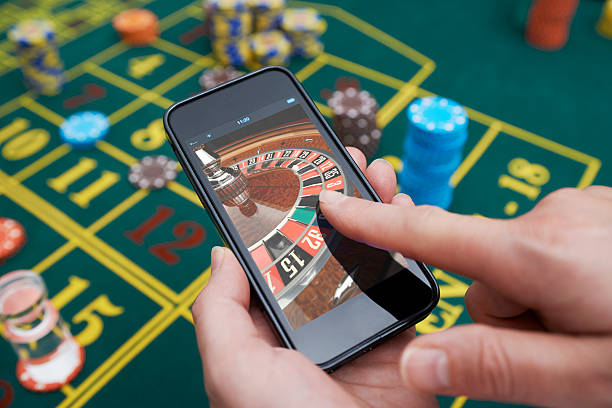
Moreover, the rise of online gambling platforms has transformed social interactions related to gambling. Virtual communities allow players to connect with others, share experiences, and even strategize. This connectedness can enhance the enjoyment of gambling, but it can also lead to riskier behaviors, as players may feel emboldened by the support of their online peers.
Resources for Responsible Gambling
Understanding the psychology behind gambling choices is vital for promoting responsible gaming. Resources are available to help players recognize their behaviors and make more informed decisions. Various organizations provide educational materials, support networks, and tools to help individuals maintain control over their gambling habits.
Our website offers a comprehensive guide for players looking to enjoy gambling responsibly. Whether you are interested in learning about safe gambling practices or finding the best online casinos, we provide valuable insights to enhance your gaming experience while keeping your well-being in mind.