Beginner's guide to understanding the odds in gambling
What Are Odds in Gambling?
Odds in gambling represent the likelihood of a specific outcome occurring. They are a crucial part of understanding how betting works, providing players with the information needed to make informed decisions. Odds can be expressed in various formats, such as fractional, decimal, or moneyline, each providing the same fundamental information but in different ways. Familiarizing yourself with these formats is essential for beginners to navigate the gambling landscape effectively. Many players enjoy engaging in online poker as they learn to assess their odds and improve their skills.

For instance, fractional odds show the potential profit relative to the stake, while decimal odds present the total return on a wager, including the original stake. Understanding these differences can significantly impact your betting strategy and overall experience, leading to more informed choices and potentially better returns.
The Importance of Probability
Probability plays a critical role in understanding gambling odds. It refers to the chances of a particular event happening, and it directly influences how odds are set. Each game or betting opportunity has its own set of probabilities, which can change based on various factors such as player performance, weather conditions, and historical data. Grasping these probabilities allows you to assess risks and make more calculated bets.
By analyzing the probabilities, gamblers can identify value bets—situations where the odds offered are higher than the actual likelihood of the outcome. This strategic approach can maximize potential profits over time, making it vital for anyone serious about gambling to understand the underlying mathematics of odds and probabilities.
The House Edge and Its Impact
The house edge is a term that describes the mathematical advantage that casinos and bookmakers have over players. It is essentially built into the odds of the games, ensuring that, over time, the house will always make a profit. Understanding the house edge is crucial for gamblers, as it highlights the inherent risks involved and the importance of choosing games with lower edges to enhance your winning potential.
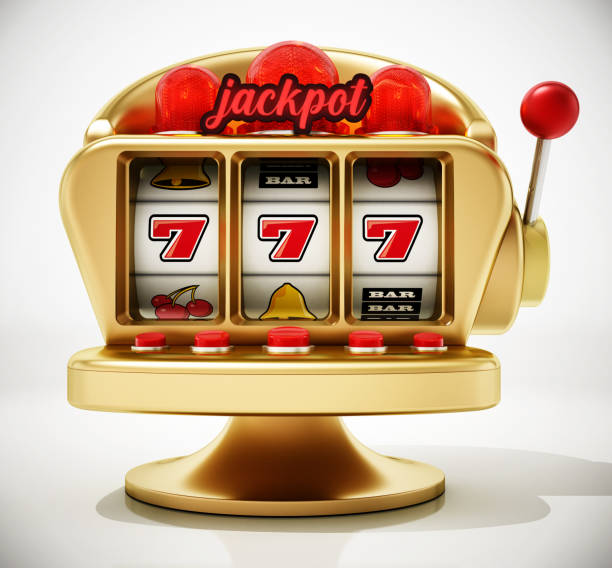
Different games have varying house edges, with some offering better odds than others. For instance, games like blackjack and poker may have a lower house edge compared to slots. By selecting games with favorable odds and being mindful of the house edge, players can improve their long-term gaming outcomes and enjoy a more rewarding experience.
Psychological Factors in Gambling
Gambling is not solely a numbers game; psychological factors play a significant role in how players perceive odds and make decisions. Factors such as the gambler’s fallacy—the belief that past events affect future outcomes—can lead players to misjudge the odds and make irrational bets. Additionally, the thrill of winning can cloud judgment, leading to riskier bets that may not align with statistical probabilities.
Understanding these psychological elements can help you develop a more rational approach to gambling. By remaining aware of your emotional state and how it influences your decisions, you can avoid common pitfalls and make more strategic choices that reflect a clear understanding of the odds at play.
Your Source for Gambling Insights
For those looking to deepen their understanding of gambling and odds, our website offers a wealth of resources. We provide comprehensive guides, expert analysis, and insightful articles that cover various aspects of gambling, from strategies to psychological insights. Our goal is to empower beginners and seasoned players alike with the knowledge needed to navigate the complex world of gambling successfully.
Whether you are looking to learn about specific games, improve your betting strategies, or stay informed about industry trends, our website is your go-to source. Join our community of informed gamblers and elevate your gaming experience today.